The Strategic Imperative: Balancing Global Aesthetics in Wholesale Jewelry Design
In an interconnected marketplace, wholesale jewelry design faces a critical challenge: creating collections that resonate across cultural borders while maintaining manufacturing efficiency and brand integrity. This is not a pursuit of a single, universal style, but rather the strategic development of a flexible design language capable of nuanced regional interpretation without compromising core identity.
1. Decoding Regional Aesthetic Codes
Success begins with a granular understanding of divergent visual preferences:
1)North American Markets: Prioritize versatility, personalization, and understated luxury, favoring stackable rings, layered necklaces, and birthstone jewelry with clean, modern lines.
2)European Segments: Often bifurcate between timeless, heritage-inspired classics (especially in the UK and Italy) and bold, avant-garde sculptural statements prevalent in fashion-forward regions like France and Scandinavia.
3)Asian Consumers: Value symbolism, meticulous craftsmanship, and specific material connotations, such as the cultural prestige of jade in China or the preference for high-clarity diamonds and platinum in Japan.
4)Middle Eastern & South Asian Markets: Gravitate toward substantial, ornate designs emphasizing intricate metalwork (like kundan or jadtar), high-karat gold, and vibrant gemstone ensembles for ceremonial and festive wear.
2. The Framework of Adaptive Design
To navigate these variances, leading wholesalers employ flexible design frameworks:
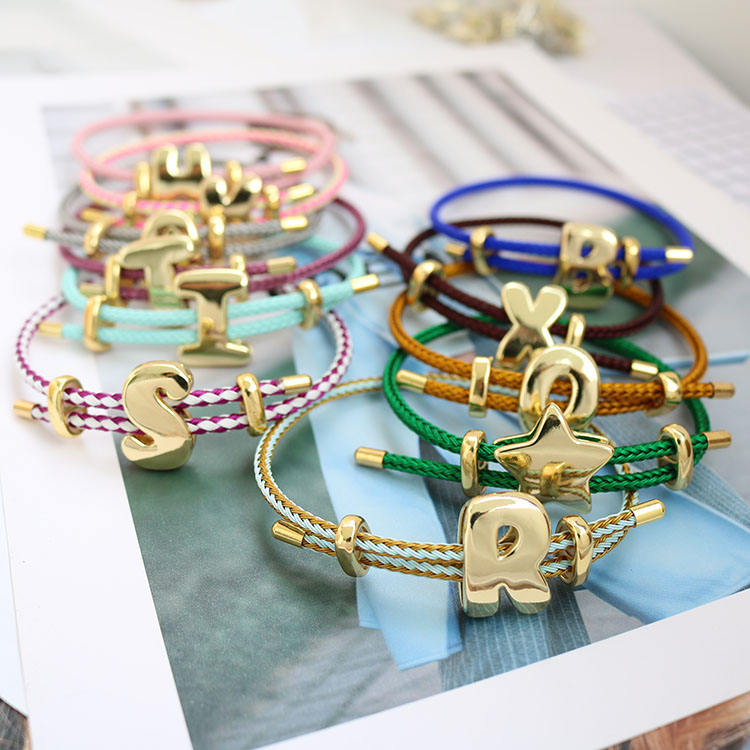
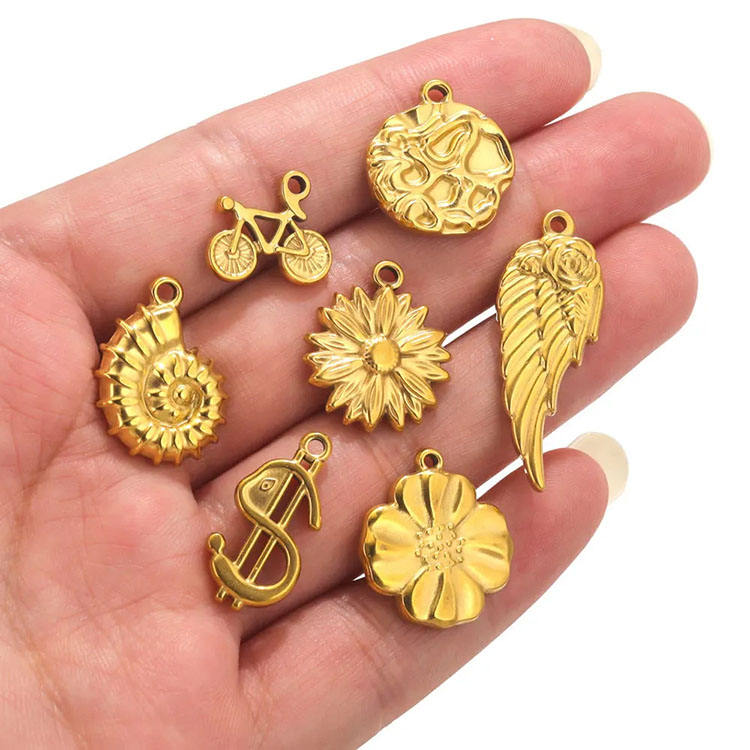
1)The Modular System: Collections are built around core, universally appealing forms—a simple pendant bail, a classic hoop, a sleek bangle. Market-specific expression is achieved through interchangeable elements: a motif charm for one region, a birthstone drop for another, or an enamel detail for a third, all attaching to the same base component.
2)Material & Finish Mapping: A single, strong silhouette is offered in a curated palette of materials. A bestselling ring design might be executed in sterling silver for global fashion markets, 18k yellow gold for Middle Eastern and Indian clients, and rose gold-plated brass for trend-driven Western retailers, using identical production molds.
3)Culturally Intelligent Motif Libraries: Designers maintain a repository of patterns and symbols categorized by cultural resonance. Abstract nature motifs (waves, leaves) or universal symbols (infinity signs, geometric patterns) form a "global core," while more specific iconography is deployed in targeted, limited-edition lines for particular regions.
3. The Data-Driven Design Cycle
Intuition is augmented by analytics in a continuous feedback loop:
1)Trend Synthesis: Data from social media platforms (Pinterest trends, Instagram engagement), regional e-commerce bestseller lists, and trade show feedback are aggregated to identify micro-trends with global potential versus those with strong regional containment.
2)Predictive Adaptation: Sales performance analytics reveal not just what sells, but how it sells in different markets—whether as a standalone statement piece or as part of a layering set. This informs future design iterations and inventory planning.
4. Operationalizing Global Agility
The design strategy must be supported by a responsive supply chain:
1)Configurable Production: Manufacturing flows are structured for late-stage customization, whether through batch plating, modular assembly, or the strategic stocking of region-specific components to enable rapid fulfillment without massive finished-goods inventory.
2)Brand Narrative Flexibility: Marketing assets and packaging are designed with adaptable "inserts" or digital overlays that allow the core brand story to be nuanced for local cultural contexts and gifting occasions.
Conclusion: The New Paradigm of Global Wholesale
The objective is no longer to design a single piece for the world, but to architect a coherent system for the world. The most successful wholesale jewelry designers act as cultural translators and strategic architects, creating scalable design platforms that are inherently adaptable. They master the balance between offering recognizable global collections and providing the curated variation that makes each market feel specifically seen. This sophisticated approach—blending aesthetic intelligence with operational flexibility—defines the future of competitive advantage in wholesale jewelry, transforming geographic diversity from a challenge into a primary source of creative and commercial innovation.

 12/18
12/18  703 views
 12/17 488 views
 12/16 490 views
 12/15 501 views
 12/12 615 views
 12/11 706 views
 12/10 515 views
 12/9 592 views

 leave message
 +86 18902252863
 [email protected]